Best Practices to Help Protect Your Data
Overview
In the constantly evolving world of cyber threats, the difference between your data being compromised and being secure can come down to maintaining good habits.
Cybersecurity threats come in many forms, which often seem harmless on the surface. These may include links sent via emails and text messages, or simply outdated software already installed on a smart device.
We’ve identified several themes and actionable habits that can help limit the possibility of your information being compromised:
Personal Devices
Personal devices assist us in our daily routines. However, they can also be the point of contact that is used to obtain sensitive information. Consider maintaining the following habits:
- Software Updates – Keep your applications, operating systems, and software up to date. Companies regularly provide updates for security vulnerabilities they’ve identified. Regular updates ensure you have the latest security features installed.
- Antivirus/Malware Programs – Utilizing antivirus/malware programs for your personal PC or laptop can help identify areas of concern and remove infected files.
- Downloads – Avoid installing apps from third parties. Stick to reputable app resources such as Apple’s App Store (iPhones) or Google’s Google Play (Android devices).
Passwords & Two-Step Authentication
It is common to use the same (or similar) username and passwords for multiple accounts. However, doing so may increase the chances your personal or financial information is compromised. Consider implementing the following best practices:
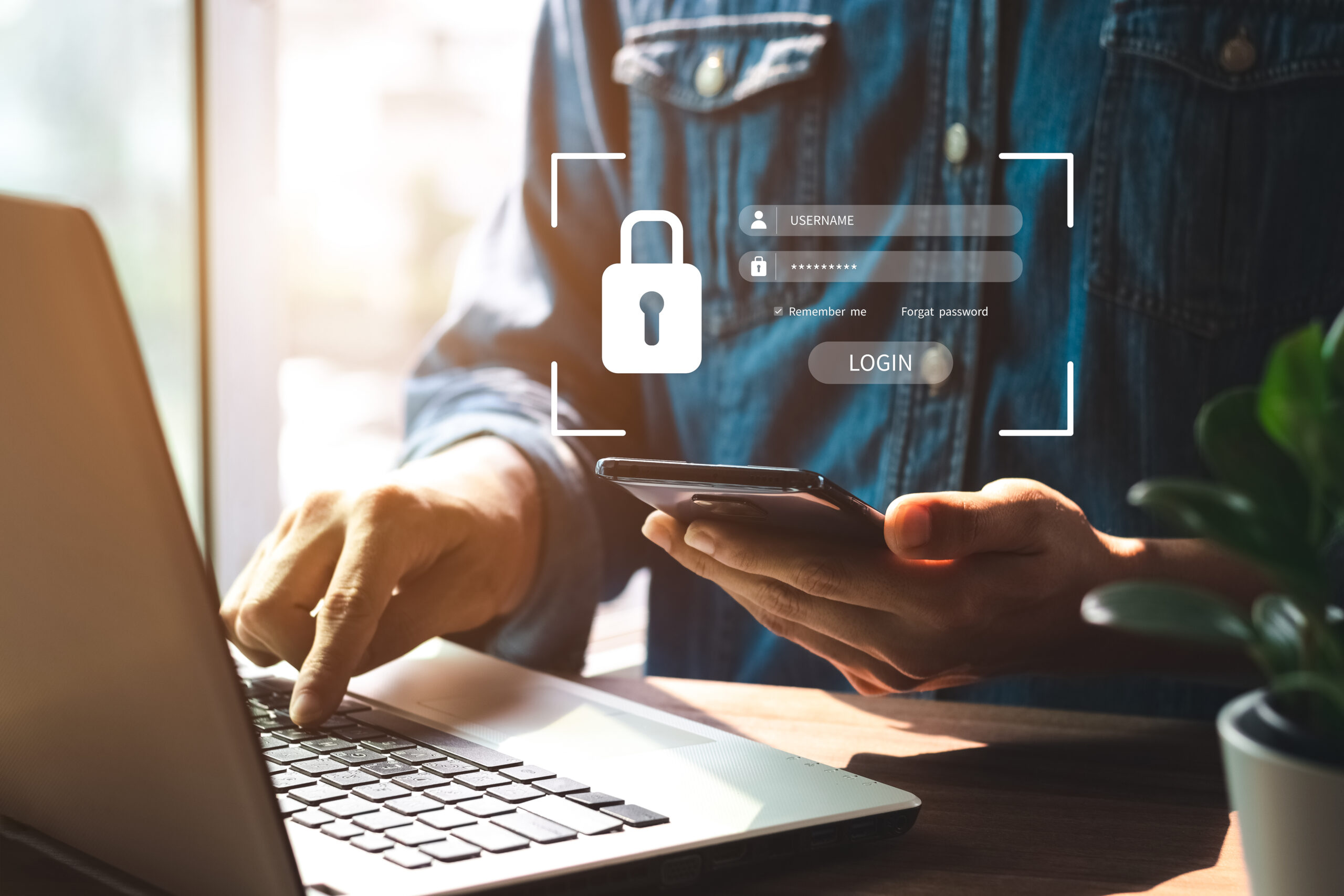
- Username & Password – Utilize unique usernames and passwords instead of using the same (or similar) credentials for multiple websites/applications.
- Two-Step Authentication – If available, utilize two-step authentication. Doing so adds another layer of protection that requires a secondary code or pin number be sent directly to your mobile device or email.
Phishing Scams
Scammers may use emails or text messages to try and steal your passwords, account numbers, or other sensitive information. Common themes scammers use that should be avoided include:
- Alerts to reset an account password that you didn’t directly initiate.
- Notices about an issue with your account and/or payment information.
- Requests to confirm confidential personal or financial information.
- Unsolicited requests to click a link and make a payment.
- Notification that you are a contest winner but must provide your personal information.
If You Think Your Information Has Been Compromised
If your information has been compromised, consider taking the following steps:
- Notify Financial Institutions – Banks, credit card companies, wealth management firms, and payment companies (PayPal, Venmo, Affirm, Klarna, etc.).
- Credit Freeze – Consider freezing your credit after a breach. Individual freeze requests must be submitted to each Equifax, Experian, and Transunion. Credit freezes are not irreversible; they can be lifted at your request when appropriate.
- Monitor – Review your accounts for further suspicious activity. Companies such as LifeLock offer services that will monitor your data for you.
Conclusion
Being aware of ongoing scams and practicing good cybersecurity habits can help limit the possibility of your information being compromised.
© 2026 Advisory services offered by Moneta Group Investment Advisors, LLC, (“MGIA”) an investment adviser registered with the Securities and Exchange Commission (“SEC”). MGIA is a wholly owned subsidiary of Moneta Group, LLC. Registration as an investment adviser does not imply a certain level of skill or training. The information contained herein is for informational purposes only, is not intended to be comprehensive or exclusive, and is based on materials deemed reliable, but the accuracy of which has not been verified. Trademarks and copyrights of materials referenced herein are the property of their respective owners. Index returns reflect total return, assuming reinvestment of dividends and interest. The returns do not reflect the effect of taxes and/or fees that an investor would incur. Examples contained herein are for illustrative purposes only based on generic assumptions. Given the dynamic nature of the subject matter and the environment in which this communication was written, the information contained herein is subject to change. This is not an offer to sell or buy securities, nor does it represent any specific recommendation. You should consult with an appropriately credentialed professional before making any financial, investment, tax or legal decision. An index is an unmanaged portfolio of specified securities and does not reflect any initial or ongoing expenses nor can it be invested in directly. Past performance is not indicative of future returns. All investments are subject to a risk of loss. Diversification and strategic asset allocation do not assure profit or protect against loss in declining markets. These materials do not take into consideration your personal circumstances, financial or otherwise.